



Click Here
Winter Power Outages: How a Generator Protects Your Home from Costly Cold-Weather Damage
Power outages are never convenient, but when they happen during cold weather, the consequences can go far beyond a dark house or a few cold rooms. Freezing temperatures combined with a loss of power can put homes and properties at serious risk.
From frozen pipes to damaged pool equipment, cold-weather outages can lead to costly repairs and long-term headaches. This is why generators play such an important role in protecting homes when below-freezing temperatures and ice storms hit like they have been this winter.
When utility power goes out, heating systems stop working. Without heat, indoor temperatures can drop quickly—sometimes faster than people expect, especially overnight or during extended outages. As temperatures fall, water inside plumbing pipes can freeze. Frozen water expands, putting pressure on pipes until they crack or burst. Often, these breaks happen in walls, ceilings, or crawl spaces, where they aren't immediately visible. Once power is restored and the ice melts, flooding and water damage can occur, turning a short outage into a major repair project.
Cold Weather Creates Hidden Risks
One of the most dangerous aspects of winter power outages is how quietly damage can happen. Pipes may freeze without any obvious warning signs. Homeowners may not realize there's a problem until water starts leaking hours or even days later. By then, damage may already include soaked insulation, ruined drywall, warped flooring, and potential mold growth.
Homes with pools face additional challenges. Pool systems depend on electricity to keep water circulating and to activate freeze-protection features. When the power goes out, pumps and heaters shut down, leaving water sitting in pipes and equipment. In temperatures that drop below freezing, stagnant water can quickly turn to ice. Cracked pipes, broken pumps, and damaged heaters are common results. If you own a pool, then you know that equipment repairs can be surprisingly expensive.
How Generators Help During Winter Outages
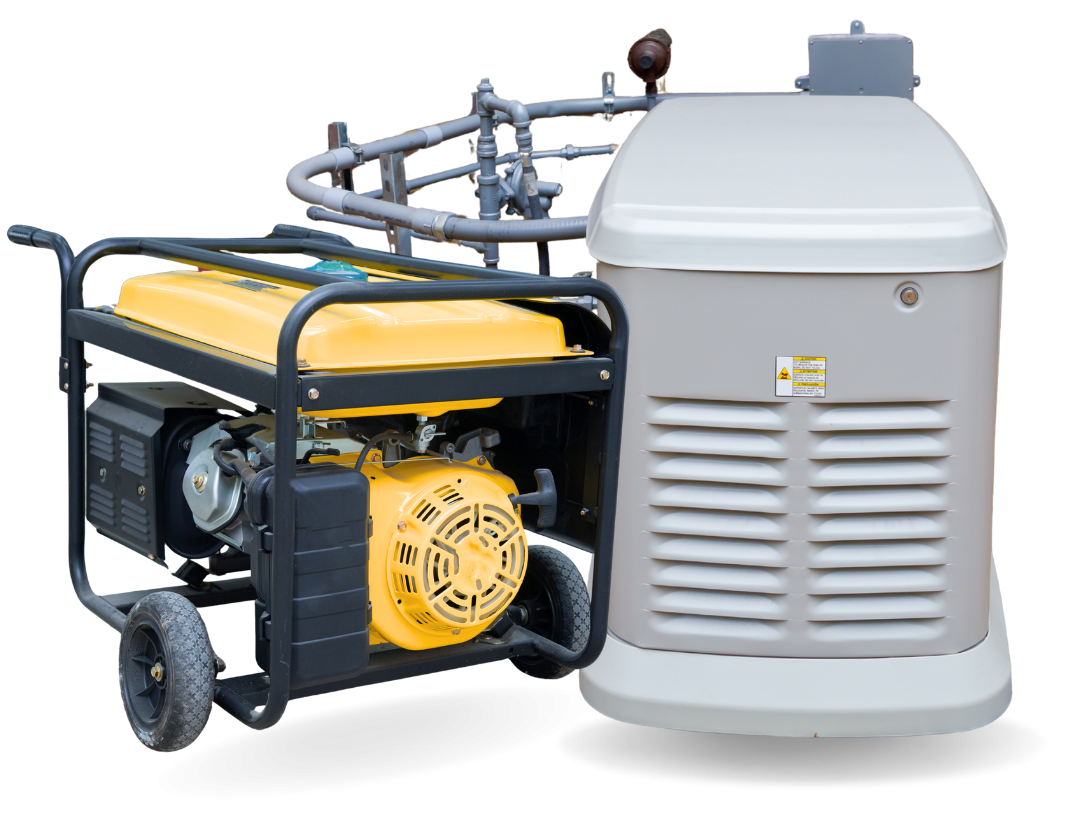
Generators are designed to provide backup power when the electrical grid fails. Standby generators, in particular, can restore power automatically within seconds of an outage. That fast response is critical during cold weather. Not sure whether a portable or standby system is right for your home? Learn more in our guide, Which Type of Generator is Best for You?
With a generator supplying electricity, heating systems continue to run, helping maintain safe indoor temperatures. This alone significantly reduces the risk of frozen pipes. Keeping power on also allows water to continue moving through plumbing systems and pool equipment, which is one of the most effective ways to prevent freezing.
Generators don't just protect pipes and pool systems. They also help maintain power to sump pumps, well pumps, security systems, refrigerators, medical devices, and other essential equipment. During extended outages, having reliable backup power can make a major difference in both comfort and safety. If you're planning to install or use a backup power system, it's important to understand proper operation and placement. Read our guide on Generator Safety Tips: Protecting Your Home and Family to ensure your system keeps everyone safe during an outage.
More Than Comfort
Many people think of generators as a convenience feature, but in cold climates, they are more accurately viewed as a form of protection. The cost of installing a generator is often far less than the cost of repairing burst pipes, replacing pool equipment, or dealing with extensive water damage.
Cold weather outages can last hours, or in severe cases, days. During that time, trying to manage freezing risks manually can be stressful and unreliable. Space heaters, dripping faucets, or emergency shutdowns don't always provide enough protection, especially if no one is home when the outage occurs. A generator works automatically, even when you're asleep or away.
Planning Ahead Makes the Difference
Winter storms and power failures are unpredictable, but preparing for them doesn't have to be. Waiting until after a major outage often means reacting to damage instead of preventing it. Installing a generator ahead of time allows homeowners to face cold weather with confidence, knowing their systems will continue to operate even if the power goes out. Not sure where to start? Our article on Things to Consider When Buying a Generator walks you through sizing, fuel types, installation requirements, and budget considerations.
If you're considering a generator or want to learn more about backup power options for cold-weather protection, H&H Electric and Security can help guide you through the process and find a solution that fits your needs. Planning now can save you money, stress, and repairs when the next winter outage hits.